
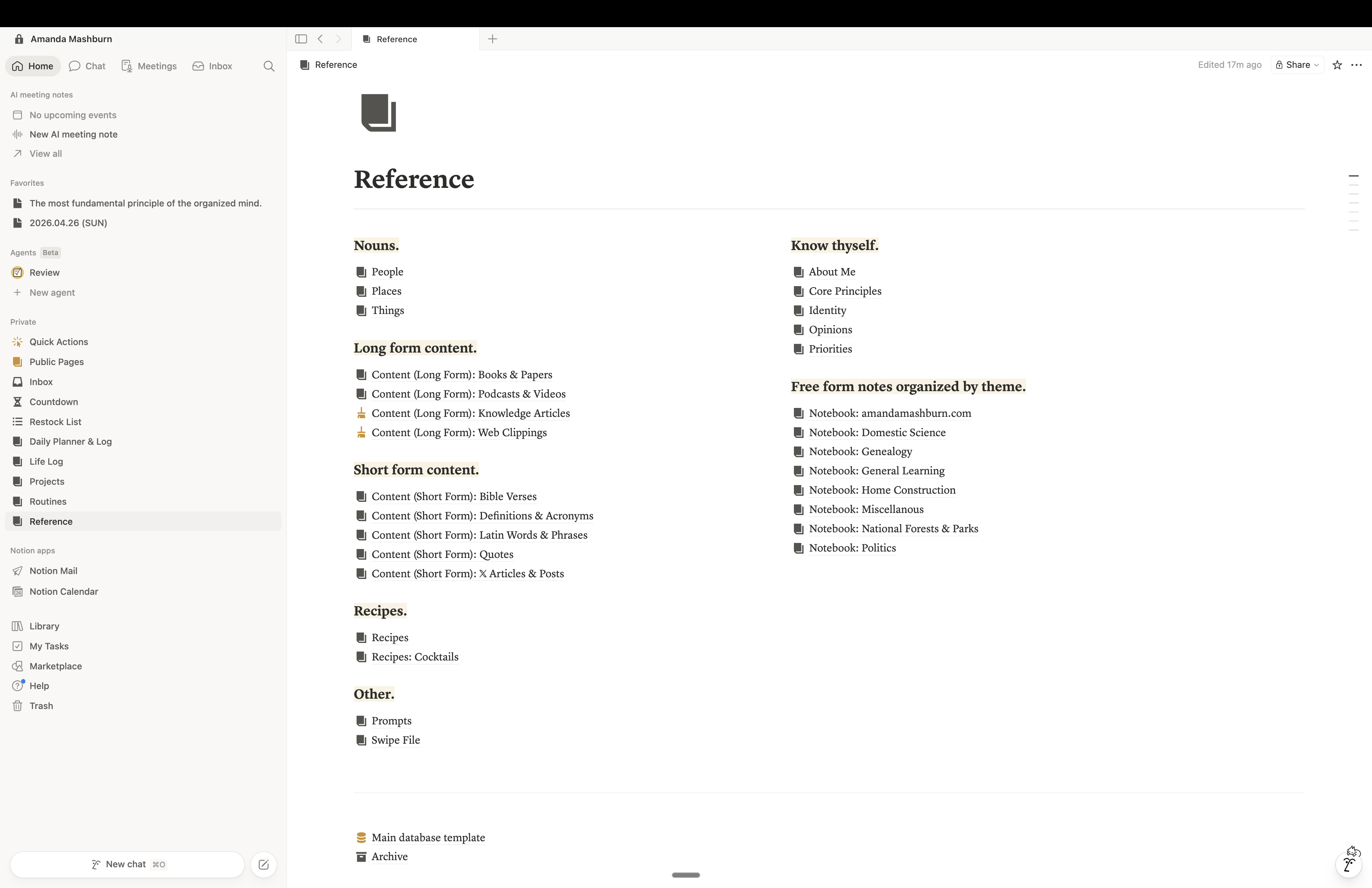
 Fig. 01 – A peek into my actual personal extended mind system built with Notion. In these docs I will share both the templates and how to use them so you can recreate this Notion setup and use it effectively.
Who this is for
This system may be of interest to you if:- You’ve lost information you wish you had kept – a detail, a decision, a conversation, a document.
- You have notes, files, and ideas scattered across apps and haven’t found a system that pulls it all together.
- You want to think more clearly, make better decisions, and actually follow through on what matters to you – but you lack the infrastructure to do it.
- You’re curious about Notion but don’t know where to start or how to organize it in a way that makes sense.
- You want a single system that consolidates the tools scattered across your life – something you can adapt to your needs and rely on for the long term.
Before you begin
Points to know before you dive in. Start with the why. If you haven’t already, read the case for an extended mind system before going any further. It makes the full argument for why this is worth building – the benefits, the tradeoffs, and what you can realistically expect. Everything that follows will make more sense with that context in hand. Prerequisites. Before diving into any collection, read the building blocks of your system. It covers how your Notion space is organized – databases, pages, blocks, metadata, and views – and explains the design decisions behind the system. Every collection assumes this foundation. Reading it first will make everything that follows significantly clearer. Subscription and pricing. I subscribe to the Notion Business Plan and my space is setup to take advantage of the features for that plan. A free tier is available but you won’t have access to everything covered here, particularly Notion AI. Check Notion’s website for the latest on plans and pricing. A note on data security. Before storing personal or sensitive information in any cloud-based tool, it’s worth understanding how that tool handles your data. Review Notion’s security practices and terms of service – especially if you’re working with confidential information or intellectual property. Notion is locked down, but no cloud service is without risk. As a general rule: don’t store anything you wouldn’t be comfortable with being exposed. And always back up your space. If keeping your data entirely local and private is a priority, consider Obsidian as an alternative. Inspiration, not prescription. This guide is a starting point, not a rulebook. Take the pieces that work for you, leave the rest, and adapt the system to fit your life. No two implementations will look exactly alike. This is a non-linear system. There is no single right way to move through the material. Some readers will want to read every page and build a full picture before implementing anything. Others will want to get straight to it – pick the collection that interests you most and start there. Each collection is written to stand alone and can be implemented independently. If you’re undecided on where to start, begin with the Life Log. Embrace the journey. This system was not built in a weekend. It has been rearranged, iterated upon, and improved over years of daily use. Give yourself time. These docs are not meant to be absorbed in a single sitting, nor the system mastered on a first pass. Start with one collection that solves a real problem in your life. Get comfortable with that before adding another. The system compounds – but only if you actually use it. It will feel slow at first, as learning anything new does. You will speed up. And with consistent use, it will become one of the most valuable things you’ve built for yourself. Further reading. This system didn’t emerge from thin air. It was shaped by books, thinkers, and ideas that others have put into the world. For a look at what informed it, see further reading.Last update: 2026.04.26